
[ November 18, 2026 ]
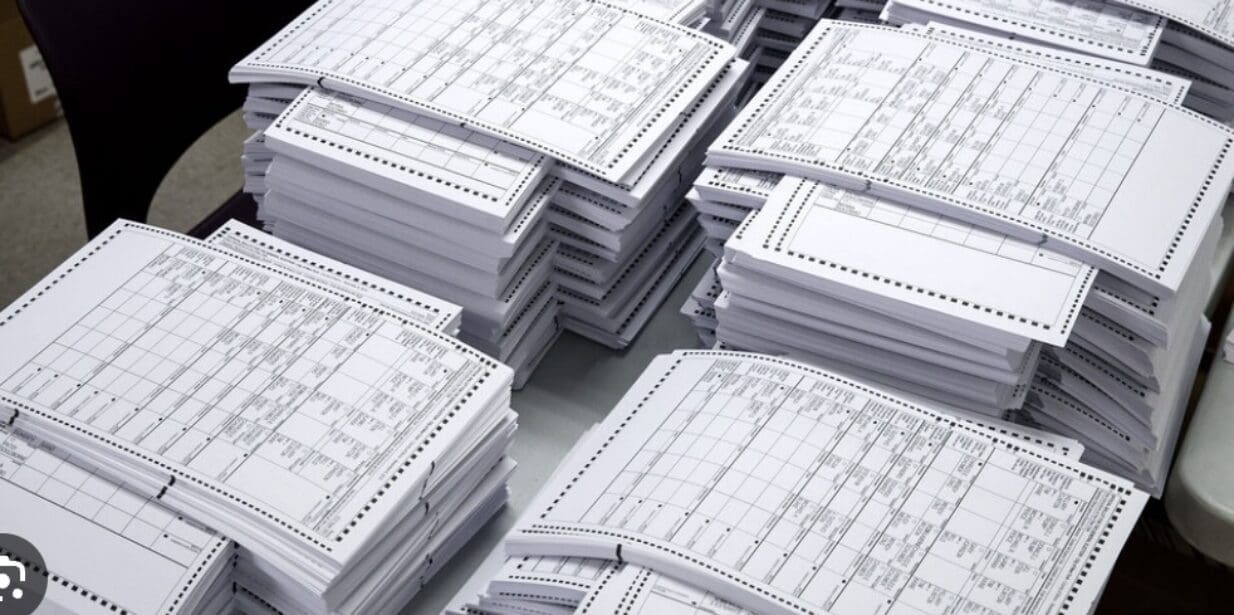
Texas is already checking its own election. Here is how to watch it, and how to do the same in any state.
State materials list a statewide audit of the November 3 results for this week, with a hand count of paper ballots to follow. If you believe something went wrong, this is the moment to look at the evidence yourself and ask questions. Remember, screenshots from social media will not change a certified result. Paper, public records and open observation can. Here is how it works, and how to do the same in any state.
For 38 years, a Democrat winning a U.S. Senate race in Texas was a bet that lost money. Then came November 3, 2026. The Associated Press called the Senate race for James Talarico over Ken Paxton, and Democrats won the other statewide races alongside him.
ADVERTISEMENT
We deserve the full picture, not a pep talk, so here is where things stand today. To prove that a result is stolen is exactly why audits exist. Things would change if someone produces documented evidence, and that is what the steps below are for.
Audits are how the system lets you check without having to trust a single official or a single machine.
Based on Texas Secretary of State materials, this election involves two separate checks.
A statewide risk-limiting audit (RLA). A random sample of paper ballots is pulled from across the state and counted by hand. If the margin is wide, a small sample is enough to confirm the winner with high statistical confidence. If the sample disagrees with the machines, it grows, up to a full hand count. State materials list this audit for November 19–20, so confirm the date with the Secretary of State’s office.
A post-election hand count audit. The Secretary of State picks up to three races, and county officials draw random precincts and polling places, then count those paper ballots by hand and compare the results with the machine totals. Counties start after the RLA is certified, and the deadline is the 30th day after Election Day (early December) unless the state certifies a later date. Larger counties must also record parts of the process on video.
ADVERTISEMENT
These audits answer different questions. The RLA checks the outcome of a race. The hand count checks specific races in specific places.
Texas rules are specific, but the playbook works across the country. Every state has some form of post-election audit, though the kind and timing vary widely.
1. Find out which audits apply. Call your county election office and ask what audit your state requires, when it happens and who may attend. The National Conference of State Legislatures keeps a state-by-state summary.
2. Watch it in person. Many states let the public or party-appointed watchers observe audits and canvass meetings. Ask how to register and what the rules are for observers. Do not assume access; confirm it.
3. Request the records. Canvass reports, audit reports and procedures are usually public. In Texas, use the Public Information Act. Put the request in writing, and compare what you get with the election-night totals.
4. Speak at the canvass. County boards certify results at public meetings. Ask questions there so concerns reach the official record.
Courts and election boards do not act on suspicion. They act on specifics. If you spot a real problem, do the following:
ADVERTISEMENT
1. Write it down on the spot. Record the date, time, county, precinct or location, the names or badge numbers of officials present, and exactly what you saw. Take photos where observers are allowed to.
2. Collect the official record. Get the relevant canvass report, audit worksheet, or chain-of-custody log through a written public records request, so you can show what the paperwork says against what you witnessed.
3. Report it in writing, the same day if possible. Send it to the county election administrator and the Secretary of State, and keep copies. If you believe a law was broken, you can also contact the Attorney General or a licensed election attorney.
4. Watch the deadlines. Windows for recounts and election contests are short and counted in days, not weeks. Look up your state’s dates today and ask a lawyer what applies to you.
5. Stay with facts you can prove. A documented discrepancy in one precinct is a story officials can investigate. A claim you cannot back up gives them a reason to dismiss every concern, including yours.
Audits are good at one thing: confirming that ballots were counted as voters marked them. Experts say it is extremely rare for an audit to change an outcome, though small differences can appear when a machine reads a stray mark differently than a person does.
Audits do not settle questions about voter eligibility, voter-roll maintenance, mail-ballot rules or long lines. Those issues need their own records, and sometimes their own court cases, and they deserve to be pursued through those channels.
If the audits match the machine totals, you will know the count was accurate, and that knowledge is worth having. You can then put your energy where it can change outcomes: recruiting candidates, registering voters and persuading the ones who went the other way.
If the audits find real errors, you will have documented evidence and a lawful path to act on it. Either way, you will have done something stronger than arguing online.
Checking the receipts is not disloyalty to your side. It is how any side earns the right to be believed.
Results and audit dates change. Check the Texas Secretary of State and your county election office before you rely on specific dates.
The Truth Must be Told
Your contribution supports independent journalism
Please take a moment to consider this. Now, more than ever, people are reading Geller Report for news they won't get anywhere else. But advertising revenues have all but disappeared. Google Adsense is the online advertising monopoly and they have banned us. Social media giants like Facebook and Twitter have blocked and shadow-banned our accounts. But we won't put up a paywall. Because never has the free world needed independent journalism more.
Everyone who reads our reporting knows the Geller Report covers the news the media won't. We cannot do our ground-breaking report without your support. We must continue to report on the global jihad and the left's war on freedom. Our readers’ contributions make that possible.
Geller Report's independent, investigative journalism takes a lot of time, money and hard work to produce. But we do it because we believe our work is critical in the fight for freedom and because it is your fight, too.
Please contribute here.

or
Make a monthly commitment to support The Geller Report – choose the option that suits you best.
ADVERTISEMENT
Quick note: We cannot do this without your support. Fact. Our work is made possible by you and only you. We receive no grants, government handouts, or major funding.Tech giants are shutting us down. You know this. Twitter, LinkedIn, Google Adsense, Pinterest permanently banned us. Facebook, Google search et al have shadow-banned, suspended and deleted us from your news feeds. They are disappearing us. But we are here.
Subscribe to Geller Report newsletter here— it’s free and it’s essential NOW when informed decision making and opinion is essential to America's survival. Share our posts on your social channels and with your email contacts. Fight the great fight.
Follow Pamela Geller on Gettr. I am there. click here.
Follow Pamela Geller on Trump's social media platform, Truth Social. It's open and free.
Remember, YOU make the work possible. If you can, please contribute to Geller Report.
Join The Conversation. Leave a Comment.
We have no tolerance for comments containing violence, racism, profanity, vulgarity, doxing, or discourteous behavior. If a comment is spammy or unhelpful, click the ... symbol to the right of the comment to let us know. Thank you for partnering with us to maintain fruitful conversation.







recent Comments